Timber and composite, raised or ground level
Decking built on a frame that lasts.
A deck is a frame with boards on top. Get the joist spacing and the ventilation right and it stays solid long after the fashion has changed.
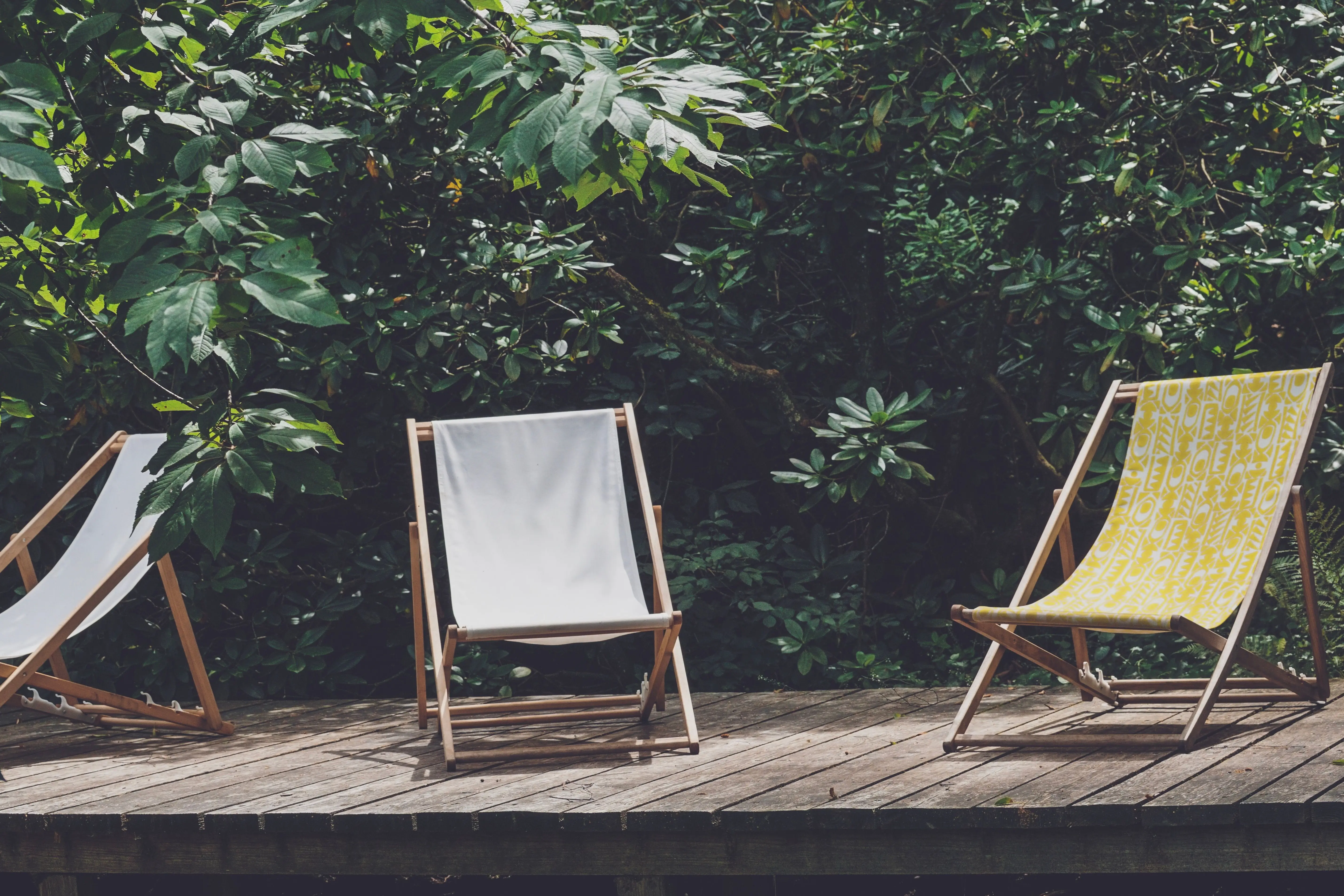
How it is built
The parts nobody sees are the parts that decide whether it bounces in three years.
- Pressure treated frame on concrete pads or posts set in the ground
- Joists at 400mm centres, closer where boards run diagonally
- Air gap underneath so the timber can dry out after rain
- A membrane and gravel below to keep weeds out of the underside
- Boards fixed with a drainage gap, and cut ends treated before they go down
- Anti-slip inserts or a grooved board where the deck sits in shade
Timber or composite
Both are fine. They cost differently at the start and differently afterwards.
-
Softwood
The cheapest way to a deck. Wants cleaning and treating every year or two to stay respectable.
-
Hardwood
Dense, long lived and handsome. More to buy and harder to work, so the labour goes up with it.
-
Composite
No annual treating, consistent colour, and a higher bill on day one. Usually the choice where the deck is big.
-
Raised decks
Anything above about 600mm starts to involve permitted development and your neighbours' privacy.
-
Balustrade and steps
Where the deck is raised, the rail and the step detail are most of what it looks like.
-
Shade and slip
North-facing decks grow algae. A grooved board and a yearly wash deals with it.
Want a deck in the garden?
Tell us roughly the size and whether the ground is level. That is usually enough to talk about budget.
Questions about this job
-
Usually not, under permitted development, provided the deck surface is no more than 300mm above the ground and the deck plus other garden buildings cover less than half the garden. A raised deck overlooking a neighbour is the case that most often needs a conversation with the council first.
-
A pressure treated softwood frame, kept ventilated and off the soil, will outlast the boards. Softwood boards looked after sit around fifteen years, hardwood and composite longer. The frame is where the money should go.
-
Any deck in shade will grow algae and get slippery if it is left. A grooved board helps, anti-slip inserts help more, and a wash once a year deals with most of it.
-
Often yes, and it can be a tidy way to deal with a tired slab area, as long as there is still ventilation underneath and the finished height stays clear of the damp course.
Other things we do
Most jobs turn out to be more than one of these. Ask for a price on all of it at once.
Patios, paving and paths laid on a proper sub-base across Kent, Surrey and Sussex.
Fence panels, closeboard fencing and gates installed across Kent, Surrey and Sussex.
New lawns, turfing and lawn renovation across Kent, Surrey and Sussex.
Garden clearance and green waste removal across Kent, Surrey and Sussex.
New hedging, trees and border planting across Kent, Surrey and Sussex.