Hedging, trees, borders and screening
New hedging and planting, put in to live.
Planting is cheap and replanting is not. Most of what decides whether a hedge takes happens in the hole, in the right month.
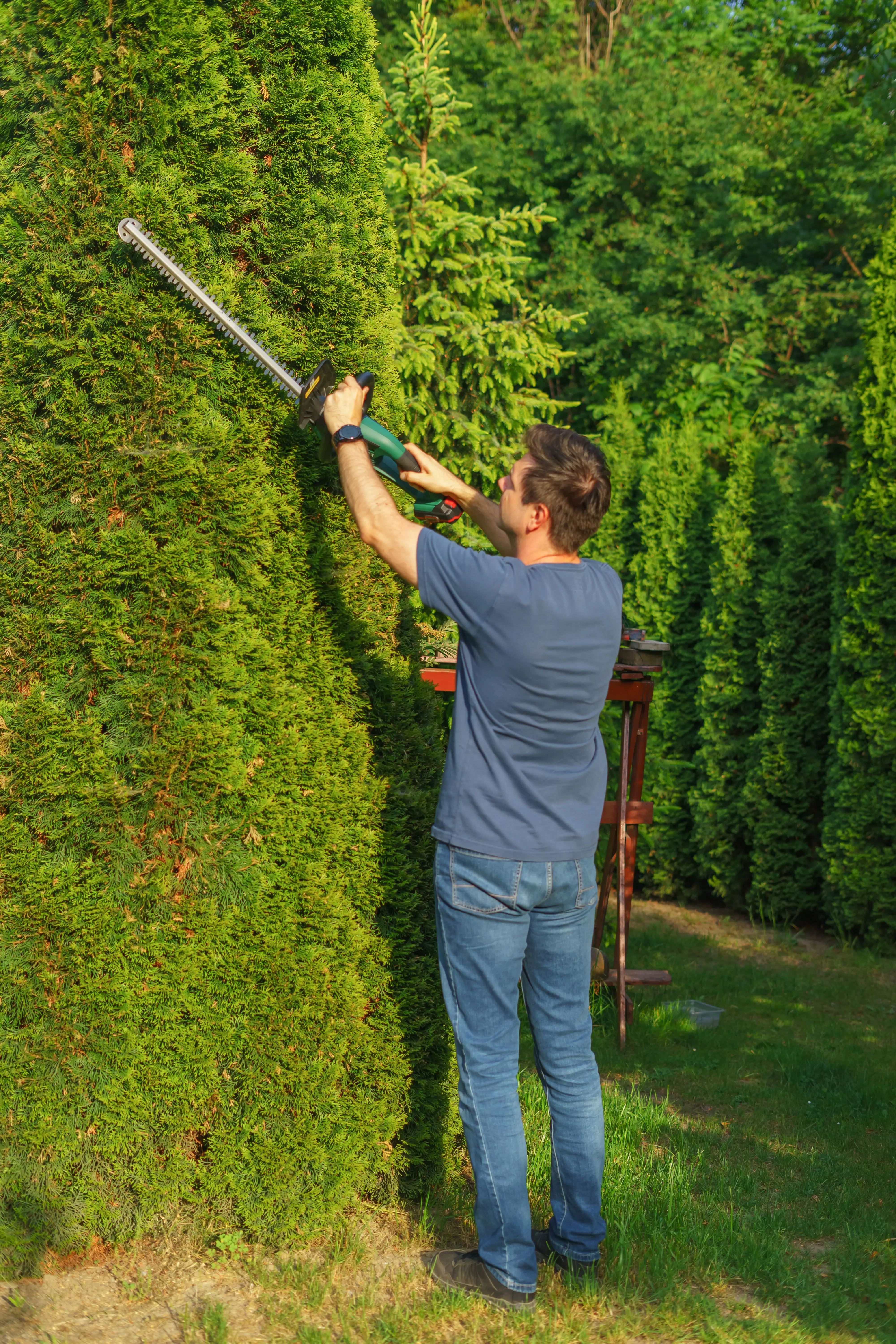
Giving it a chance
Bare root plants in the dormant season cost a fraction of pot grown and establish better. The catch is the window.
- Bare root hedging planted November to March, while everything is dormant
- Pot grown stock any time, as long as somebody commits to watering it
- A trench rather than a line of individual holes, for a hedge
- Spacing of three to five plants per metre, depending on species and hurry
- Roots spread, firmed properly, and never left drying on the drive
- Mulched after planting, and staked where a tree needs it
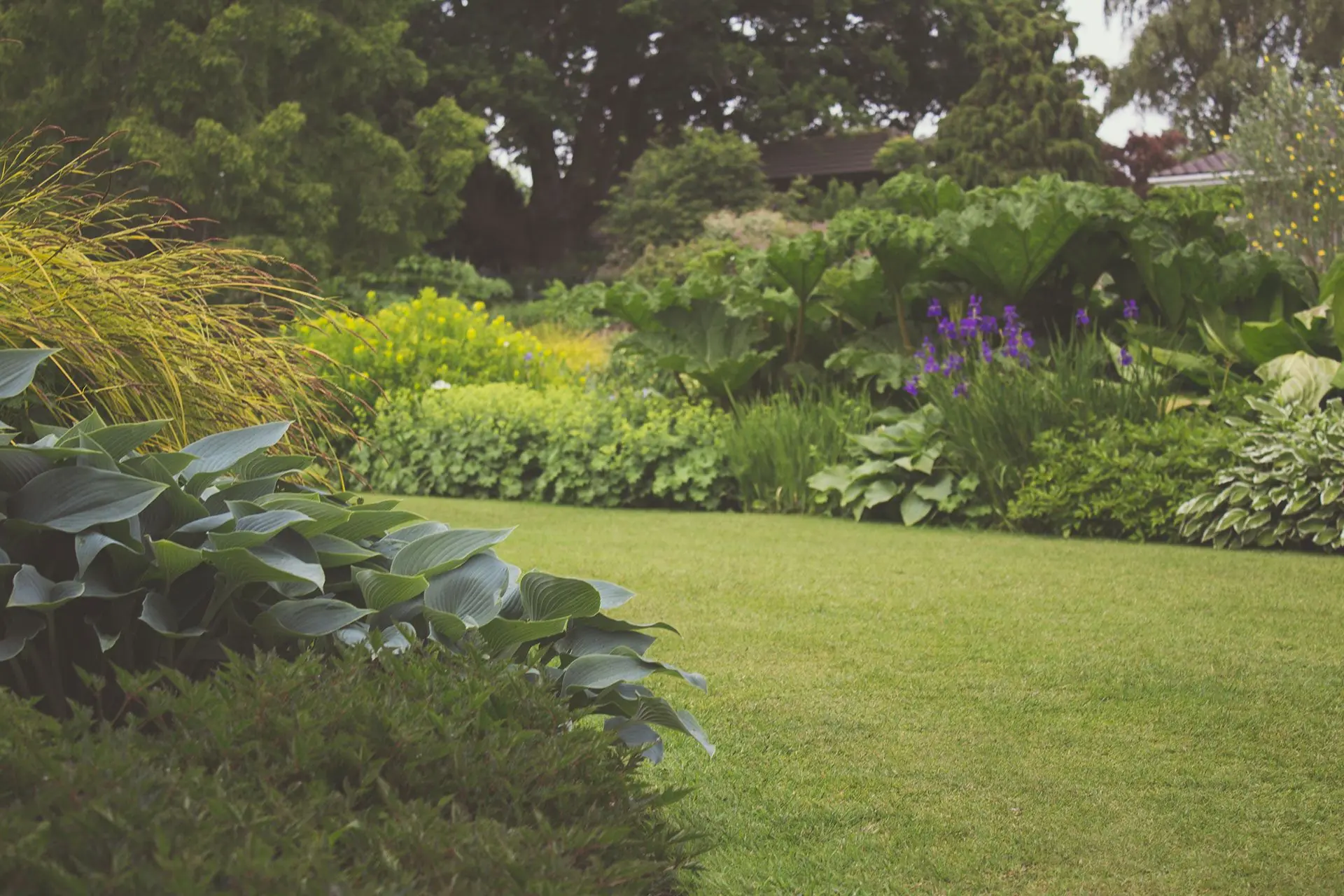
What to plant for what
Screening, boundary, wildlife or looks. They point at different plants.
-
Fast screening
Western red cedar and laurel put height on quickly and keep it, with a cut or two a year.
-
Formal hedging
Beech, hornbeam, yew and box. Slower, tighter, and the ones that look best cut square.
-
Native mixed hedge
Hawthorn, blackthorn, hazel and field maple. Cheap bare root, good for wildlife, stock proof in time.
-
Replacing a failed run
Soil replaced where the old hedge was, because planting into the same tired trench rarely works.
-
Trees
Specimen and fruit trees, planted and staked, with an honest word about the eventual size.
-
Borders
Replanting a tired border, with an eye on what will still be sensible in five years.
Planting a new hedge or border?
Tell us the length, what it needs to do and how patient you are. Those three answers decide what should go in.
Questions about this job
-
Bare root plants go in between November and March, while they are dormant. They cost a fraction of pot grown stock, establish better and that window is the single biggest saving available on a hedge. Pot grown can go in any time of year, which is the right answer if you have missed the season and do not want to wait.
-
Depends entirely on what you plant. Western red cedar and laurel make useful height in a couple of seasons. Beech and hornbeam take longer and look better for it. Yew is the slowest and outlives everybody. We will tell you what each one realistically does rather than what you would like to hear.
-
Three to five plants per metre for most hedging, in a staggered double row where you want density sooner. Closer than that and they compete with each other rather than filling in faster.
-
Yes, through the first summer, and this is where most new hedges are lost. Bare root planted in winter has a head start, but a dry spring in its first year will still kill it if nobody waters.
Other things we do
Most jobs turn out to be more than one of these. Ask for a price on all of it at once.
Patios, paving and paths laid on a proper sub-base across Kent, Surrey and Sussex.
Timber and composite decking built on a proper frame across Kent, Surrey and Sussex.
Fence panels, closeboard fencing and gates installed across Kent, Surrey and Sussex.
New lawns, turfing and lawn renovation across Kent, Surrey and Sussex.
Garden clearance and green waste removal across Kent, Surrey and Sussex.