Turfing, levelling and lawn renovation
New lawns, prepared before laid.
Turf is the easy part of a lawn. What happens to the ground in the week before it arrives is what you are actually paying for.
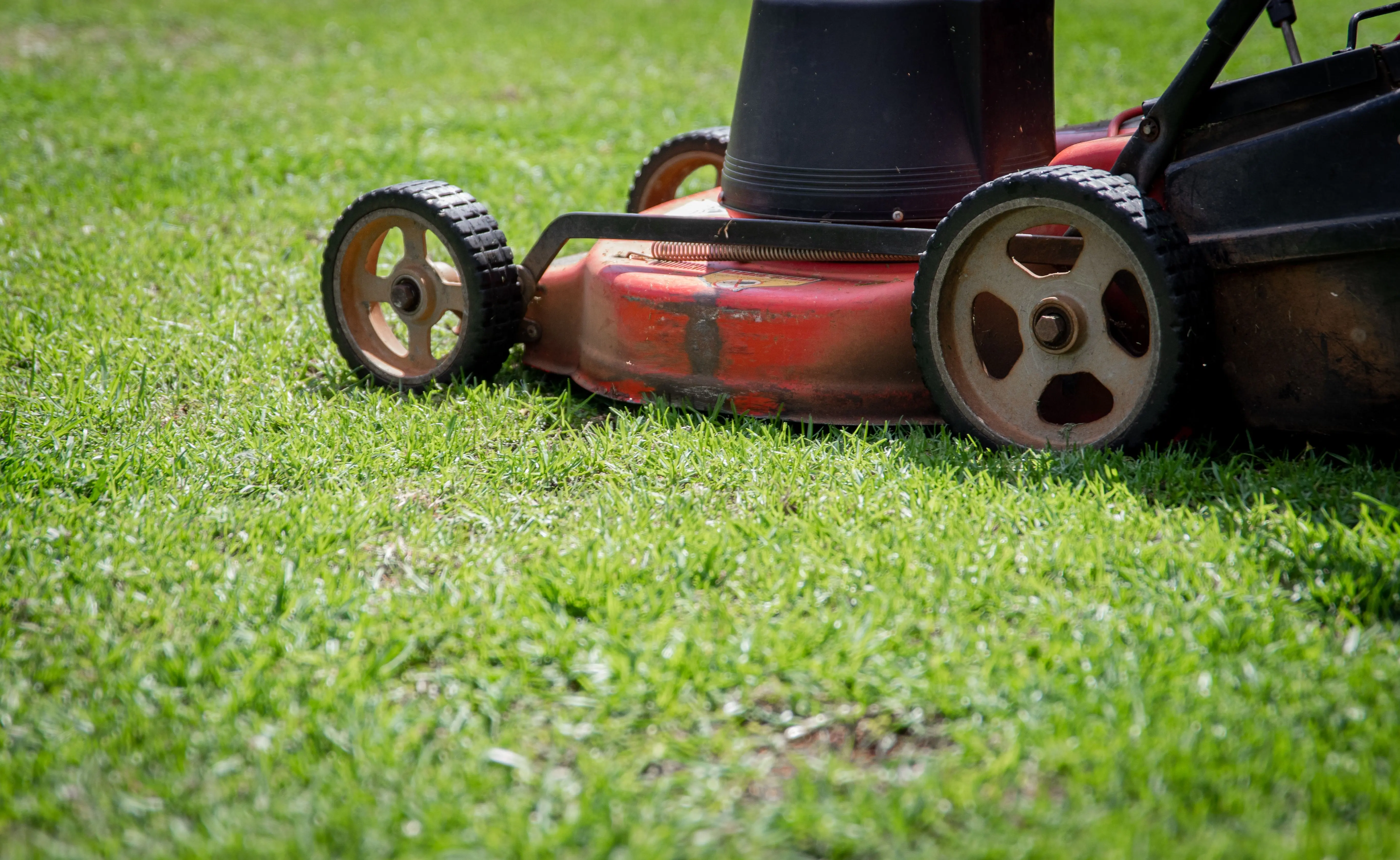
Getting a lawn to take
Turf laid on compacted builder's subsoil will look wonderful for a fortnight and then go patchy.
- Old grass and weed stripped off rather than rotavated back in
- Ground broken up so roots can get down, and compaction relieved
- Topsoil brought in where there is not enough, and levelled
- Raked, firmed and raked again, because that is what gets a flat lawn
- Turf laid within a day of delivery, joints staggered and butted tight
- Rolled or tamped, watered in, and the first cut left until it has knitted
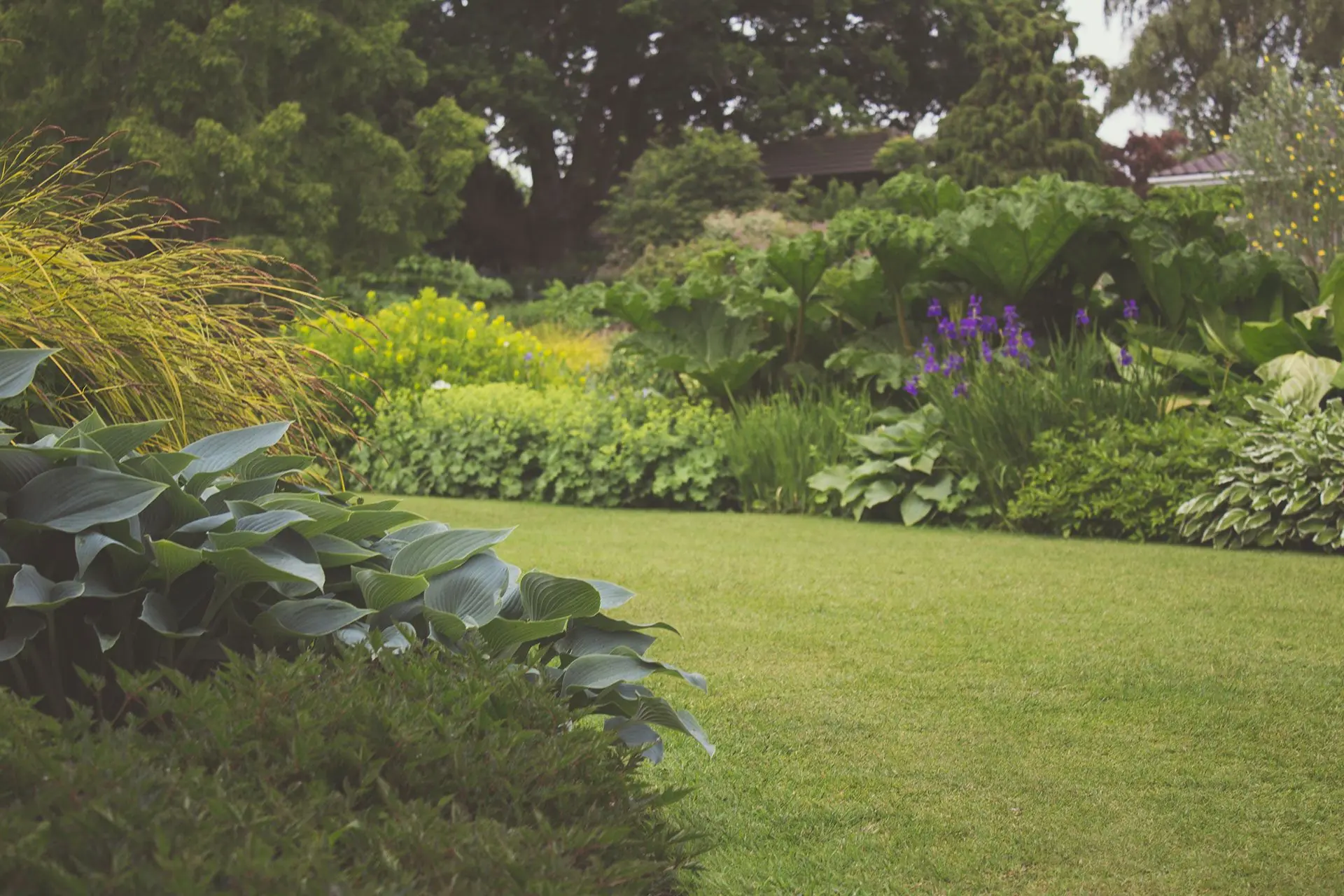
Lawns we deal with
New ones, tired ones, and the ones left behind by a builder.
-
New turf
The whole thing, from stripping out to the first watering instructions.
-
After building work
Compacted ground, buried rubble and a thin skim of soil. The ground needs sorting before any turf is worth laying.
-
Renovation
Scarifying, aerating, topdressing and overseeding, where the lawn is tired rather than finished.
-
Levelling
Hollows, humps and the slow settlement over an old path. Easier to fix before the turf than after.
-
Shaded lawns
Grass under trees struggles. Sometimes a shade mix, sometimes the honest answer is planting instead.
-
Edges and borders
A cut edge is most of why a lawn looks cared for. Worth doing properly at the start.
Lawn that needs laying or rescuing?
Measure it roughly and tell us what is there now. We will tell you honestly whether it is a renovation or a new one.
Questions about this job
-
Autumn is ideal. The ground is warm, the rain does the watering and the lawn knits in before it is walked on. Spring is the next best. Midsummer works but you have to commit to watering it properly, every day, for weeks, or you will have shrunk gaps between the rolls.
-
Keep off it for two to three weeks beyond what is needed for watering, and leave the first cut until the turf has rooted and the grass is taller than you want it. Take a third off at most with the blades high.
-
Turf gives you a lawn straight away and costs more. Seed costs very little, takes a season to look like anything and needs keeping off. For a family garden turf usually wins. For a big area, seed is worth the patience.
-
Often. Most tired lawns are compacted, thatched and hungry rather than dead. Scarifying, aerating, topdressing and overseeding in the autumn brings a surprising number of them back without the cost of a new one.
Other things we do
Most jobs turn out to be more than one of these. Ask for a price on all of it at once.
Patios, paving and paths laid on a proper sub-base across Kent, Surrey and Sussex.
Timber and composite decking built on a proper frame across Kent, Surrey and Sussex.
Fence panels, closeboard fencing and gates installed across Kent, Surrey and Sussex.
Garden clearance and green waste removal across Kent, Surrey and Sussex.
New hedging, trees and border planting across Kent, Surrey and Sussex.